
To align with the body’s natural metabolic rhythms, some clinicians suggest administering doses in the morning on days without training. The timing that is most commonly recommended in performance-oriented protocols is administering the supplement 30-60 minutes prior to training, which also has the most logical rationale. This range is broad as it truly depends on individual goals, personal factors, and tolerance during the initial weeks. A typical dosage for MOTS-C in clinical protocols involves subcutaneously injecting between 5 mg and 10 mg, 2 to 5 times a week. It is essential to have a clinician involved when beginning any protocol.
Data regarding human safety is limited to the analog CB4211, which showed that in over 10% of individuals over 4 weeks, mild to moderate reactions at the injection site were the sole side effect related to treatment. Those who appreciate it monitor objective markers—such as waist circumference, fasting glucose levels, and workout records—and observe the trends over several weeks. Typically, MOTS-c protocols consist of an 8 to 12-week period of use followed by a 4-week break. A standard peptide dosage of MOTS-c is 5 mg administered subcutaneously three times weekly on non-consecutive days, lasting 8 to 12 weeks and followed by a 4-week break, after an initial tolerance assessment of 2.5 mg twice per week for 1 to 2 weeks.
It is a baseline shift that becomes apparent after 1–2 weeks of consistent use. MOTS-c levels rise during physical activity, which is why some people call it an “exercise-mimetic” peptide. AMPK (AMP-activated protein kinase) is often called the metabolic master switch because it coordinates how cells produce, store, and use energy.
This is particularly true for peptide research, where impurities can produce biological effects of their own, confound downstream assays, and make results difficult or impossible to reproduce.
This guide is for researchers evaluating quality standards for laboratory compounds. The first-in-human trial by Lee C et al. used 10 mg/day IV for 7 days, demonstrating safety and efficacy at much higher doses. Research protocols typically use 5–10 mg per week, divided into 3–5 subcutaneous injections. It is the first known mitochondrial-derived peptide that acts as a systemic hormone. The original discovery paper establishing MOTS-c as a mitochondrial hormone.
Ovarian Cancer Findings
After the discovery of humanin (HN) in 2001, researchers went on in 2015 to identify another new mitochondrial derived peptide (MDP) known as MOTS-c . Comprehensive risk assessments support the development of appropriate safety protocols and emergency response procedures. These protocols ensure that researchers receive consistent, high-quality materials that support reliable experimental outcomes and reproducible scientific results. Researchers often require assistance with protocol development, storage recommendations, and handling procedures to optimize their experimental outcomes. These comprehensive testing protocols ensure that researchers receive MOTS-C preparations that meet the highest scientific standards for peptide research applications. Their MOTS-C products undergo rigorous testing protocols, ensuring researchers receive compounds that meet the highest scientific standards for peptide research.
Bacteriostatic Water for Peptides: A Lab Protocol Guide
Interestingly, the production and/or secretion of MOTS-c in skeletal muscles is also mediated by the SIRT1-PGC-1α pathway. Sirtuin1 (SIRT1), a deacetylase that depends on NAD+ and is evolutionarily conserved, plays a role in various cellular metabolic and aging processes by deacetylating target proteins. As a crucial downstream molecule influenced by MOTS-c, AMPK mediates diverse effects related to metabolic homeostasis, insulin resistance, fat storage, exercise, inflammation, cardiovascular protection, and aging. By retrograde signaling that impacts nuclear gene expression, including pathways like AMPK and pro-inflammatory factors, MOTS-c influences obesity, insulin resistance, exercise, inflammation, and lifespan. The regulation of drug metabolism, antioxidant defenses, and oxidative signaling is managed by activated NRF2 through the expression of various enzymes and signaling proteins. By activating SIRT1 and PGC-1α through phosphorylation and deacetylation, AMPK regulates energy balance and can produce anti-inflammatory effects.
What people who respond well tend to describe is more of a background shift than an event. Worth setting expectations here, because this is where most people get MOTS-c wrong. The hearts of treated rats produced energy more efficiently, and MOTS-c delayed weight gain in the diabetic animals without affecting how much they ate. They treated diabetic rats with MOTS-c for three weeks and found it restored mitochondrial respiration in heart tissue.
Nobody has compared the two in people, so the lower weekly total is the cautious choice rather than a proven better one. The difference between a good protocol and a useless one often comes down to how the product was stored and handled, not the dose. This is something most MOTS-c guides skip, and it matters more than people realize. For people who feel generally “inflamed” without a clear acute cause, this can be a meaningful benefit.
A naturally occurring MOTS-c variant called K14Q, common in East Asian populations, produces a version of the peptide with reduced biological activity. Since MOTS-c’s whole mechanism runs through AMPK, that’s a real, biochemically grounded reason some researchers are cautious about MOTS-c in contexts where building muscle is the primary goal. In the study, MOTS-c treatment decreased myostatin levels in both blood plasma and muscle tissue of obese mice fed a high-fat diet.
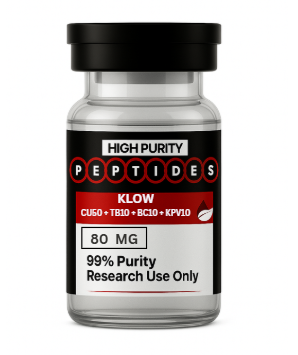
What Is MOTS-C, Really?
A standard MOTS-c cycle follows a ramp-up, maintain, and taper structure to mimic physiological pulsing and reduce tolerance development. MOTS-c improves insulin sensitivity by enhancing GLUT4 transporter activity in skeletal muscle. MOTS-c is a mitochondrial peptide, meaning your mitochondria produce it from their own DNA rather than from the cell’s nuclear DNA. Human research is still limited, but early clinical data and user reports suggest the effects translate, at least partially, to people. The peptide works by activating AMPK, improving glucose uptake, and enhancing mitochondrial function, but it requires consistent training and diet to produce meaningful results. Some users report changes in energy or exercise tolerance within the first few weeks, but responses vary.
Core Supplies for This Protocol
“The mitochondrial-derived peptide MOTS-c is a regulator of skeletal muscle function and energy homeostasis.” Nature Communications, 6, 8480. Regulatory compliance considerations include institutional approval processes, safety protocols, and documentation requirements. Quality assurance protocols must include comprehensive testing procedures, detailed documentation, and appropriate storage and handling guidelines.

Purity by HPLC
BMSCs treated with MOTS-c had increased expression levels of TGF-β1, TGF-β2 mRNA and proteins . These findings demonstrated that MOTS-c induced osteoblasts to produce type I collagen via the TGF-β/SMAD pathway . Qin et al. found a correlation between reduced MOTS-c levels and coronary endothelial dysfunction (ED) in humans.
Some people report visible changes in body composition over 4-6 weeks, though this is hard to separate from training and diet variables. At 10mg a week it stretches to five weeks, which nudges past that window, so either front-load or treat the last few days as the edge of the stability data. Notice that every protocol above splits the weekly total into multiple smaller injections rather than one large weekly dose. No human trials exist for native MOTS-c, so dosing protocols come from practitioners and researchers who have worked with the compound.
This discovery was important because mitochondria were traditionally viewed mainly as cellular structures responsible for producing energy. The study is designed specifically to determine whether MOTS-c can improve insulin sensitivity and cardiometabolic markers in people. For related high-purity research compounds, researchers may also review our NAD+ research compounds and IGF-1 LR3 product pages. For researchers using MOTS-c in rodent application studies, endotoxin (lipopolysaccharide from gram-negative bacteria) contamination in the peptide preparation can cause severe inflammatory responses that confound experimental results. Any of these can produce effects that you might wrongly attribute to MOTS-c itself, or that might antagonize MOTS-c’s effects, leading to artificially blunted responses.